 [email protected]
 +86 18006010205



-
Spieth, Space solutionsMore Than 18 Years Manufacturing & Exporting
-
 Time:6/1/2026
 -
 Time:5/26/2026
 -
 Time:5/21/2026


-
 Tel : +86 18006010205
-
 E-mail : [email protected]
-
 Address : Tongan Park, Tongan District, Xiamen, China 361023
Different Types of Pallets and Their Uses
 Time:12/19/2025
 159
159In today’s fast-paced supply chain environment, pallets play a much larger role than simply supporting goods. They determine how efficiently products can be stored, moved, stacked, and transported across global logistics networks. With various materials, structures, and performance levels available, understanding the different types of pallets—and where each type performs best—helps warehouses reduce costs, improve product protection, and ensure smoother operations.
This guide covers the main pallet types by material and structure, their advantages, and the ideal applications for each option.
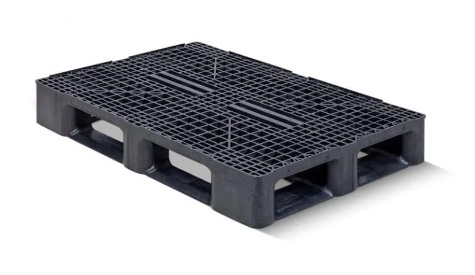
Pallets Categorized by Material
Different pallet materials provide different levels of durability, hygiene, and load performance. Here are the four most widely used materials in modern warehouses.
1) Wooden Pallets
Features:
Wooden pallets are the most widely used and cost-effective option on the market. They offer strong load capacity and can be easily repaired when damaged.
Uses:
-
General warehousing and distribution
-
Heavy loads or industrial products
-
Export shipping (requires ISPM-15 heat treatment)
2) Plastic Pallets
Features:
Made from HDPE or PP, plastic pallets are resistant to water, chemicals, and corrosion. Their smooth surfaces make them easy to clean and suitable for hygienic environments.
Uses:
-
Food & beverage handling
-
Pharmaceutical production
-
Cold storage or cleanroom environments
3) Metal Pallets (Steel / Aluminum)
Features:
Metal pallets offer superior durability, strength, and impact resistance. They perform well in harsh or extreme-temperature environments but cost more and weigh heavier than other types.
Uses:
-
Heavy machinery and automotive parts
-
Manufacturing plants
-
Long-term storage in hot, humid, or corrosive settings
4) Paper / Cardboard Pallets
Features:
Lightweight and fully recyclable, paper pallets are a sustainable option for lightweight loads and one-way shipping.
Uses:
-
Air freight (reduces weight and fuel cost)
-
Export shipments
-
Lightweight goods with minimal handling requirements
Pallets Categorized by Structural Design
Structural variations determine how pallets are handled, how stable they are under load, and whether they fit automated systems.
1) Roto-Molded Pallets
Features:
Manufactured through rotational molding, these pallets have seamless construction, offering excellent durability and hygiene.
Uses:
-
Food processing areas
-
Pharmaceutical and medical manufacturing
-
Environments requiring frequent cleaning
2) Injection-Molded Pallets
Features:
Built with high precision, injection-molded pallets ensure consistent dimensions—ideal for automated warehouses or tight tolerances.
Uses:
-
Automated storage and retrieval systems (AS/RS)
-
High-volume distribution centers
-
Export shipping
3) Block Pallets (Deck Board Pallets)
Features:
Supported by multiple blocks, these pallets allow four-way forklift entry for faster and more flexible handling.
Uses:
-
High-throughput logistics operations
-
Cross-docking terminals
-
Racking systems in large warehouses
4) Stringer Pallets
Features:
Using longitudinal stringers for support, these pallets have a simple structure and low production cost.
Uses:
-
General transport and storage
-
Light to medium warehouse applications
-
Retail goods movement
5) Double-Face Pallets
Features:
Featuring deck boards on both the top and bottom, double-face pallets offer improved load stability and longer service life.
Uses:
-
Warehousing heavy goods
-
Drums, barrels, and chemicals
-
High stacking environments
6) Double-Wing Pallets
Features:
The top deck extends beyond the stringers, increasing usable surface area and improving space utilization.
Uses:
-
Goods requiring extra base support
-
Warehouses optimizing loading footprint
7) Solid-Deck Pallets
Features:
A fully solid top deck prevents small items from falling through. The design is easy to sanitize and suitable for high-value or delicate items.
Uses:
-
Electronics and precision parts
-
Pharmaceuticals
-
Clean environments demanding product protection
ISO Standard Pallet Sizes
Globally recognized pallet sizes include:
Region
Standard Size (mm)
Typical Use
North America
1219 × 1016
General warehousing & FMCG
Europe / Asia
1000 × 1200
Logistics, export shipping
Europe (EUR-pallet)
800 × 1200
Retail, supermarket supply chains
These standardized dimensions ensure compatibility across transportation, racking, and packaging systems.
How to Choose the Right Pallet
When deciding which pallet type fits your operation, consider:
-
Load weight and fragility
-
Storage environment (humidity, temperature, hygiene)
-
Handling method (manual, forklift, automated systems)
-
Export compliance (ISPM-15 for wood)
-
Budget and long-term durability requirements
-
Sustainability goals
Selecting the proper pallet improves handling efficiency, reduces product damage, and lowers long-term operating costs.
Conclusion
From wooden and plastic pallets to advanced structural types like injection-molded or solid-deck models, every pallet serves a specific purpose in the supply chain. Understanding these differences helps businesses make smarter, safer, and more cost-effective decisions for warehousing, transportation, and global logistics.
-
-
PRODUCTS
-
NEWS
-
What Is Slotting in a Warehouse
01 JUN 2026
-
Why USA Customers Prefer Importing Heavy Duty Flower Carts from China
29 MAY 2026
-
What Does UDL Mean in Racking
26 MAY 2026
-
What Is Slotting in a Warehouse
-
FOLLOW US
-


 link:
Spieth Medical
link:
Spieth Medical


 if you have questions or suggestions,please leave us a message,we will reply you as soon as we can



-

-
 +86 18006010205
 -
 +86 18006010205
 0
0