 [email protected]
 +86 18006010205



-
Spieth, Space solutionsMore Than 18 Years Manufacturing & Exporting
-
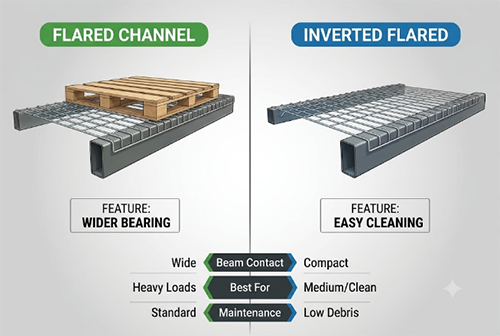 Time:7/24/2026
 -
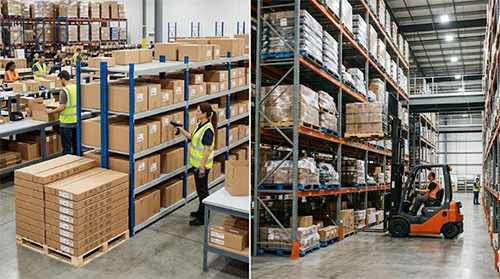 Time:7/22/2026
 -
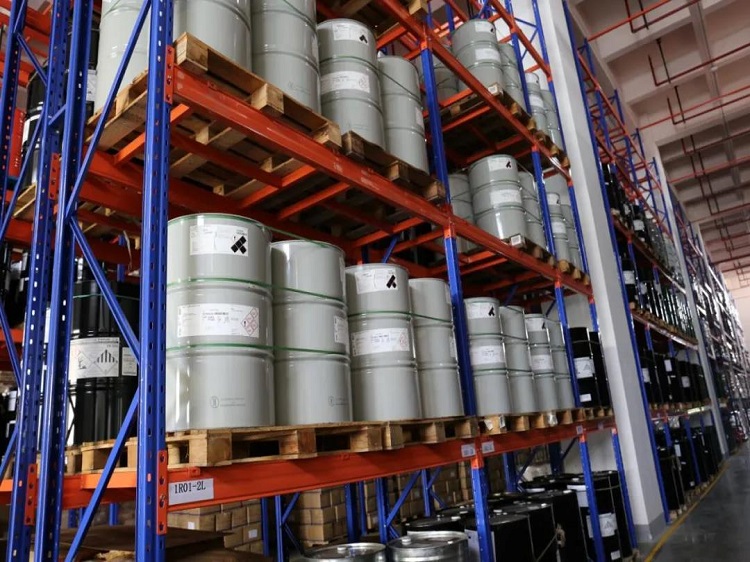 Time:7/21/2026
 -
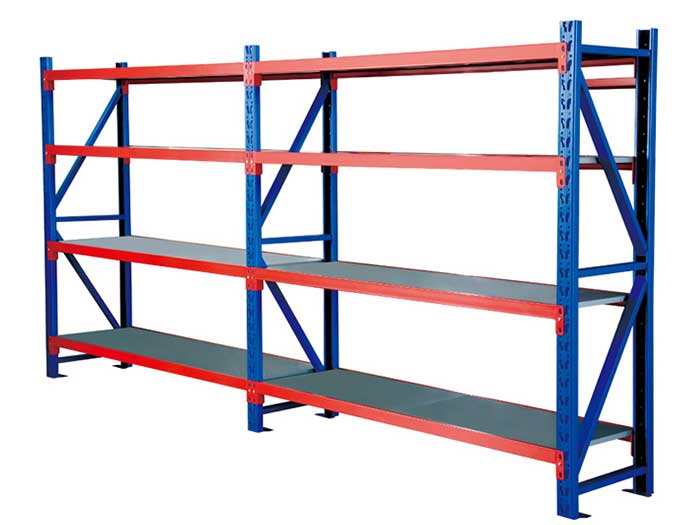 Time:7/16/2026
 -
 Time:7/14/2026
-
 Tel : +86 18006010205
-
 E-mail : [email protected]
-
 Address : Tongan Park, Tongan District, Xiamen, China 361023
How to Calculate Warehouse Space Utilization
 Time:4/24/2026
 232
232Warehouse rent, labor costs, and inventory pressure continue to rise across global supply chains. For many businesses, the first reaction to a crowded warehouse is to look for a larger facility. In practice, that is often the most expensive solution.
Based on real warehouse optimization projects, most facilities are not actually out of space—they are simply using space inefficiently. Poor layout design, underused vertical height, oversized aisles, and outdated storage methods often reduce usable capacity significantly.
This guide explains how to calculate warehouse space utilization accurately, defines industry benchmarks, and shows practical ways to improve capacity without unnecessary expansion.
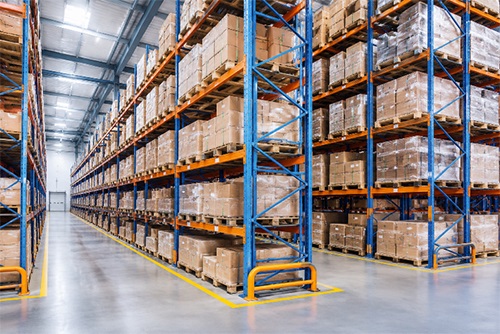
What Is Warehouse Space Utilization?
Warehouse space utilization measures how effectively your available storage area and storage volume are being used. It helps warehouse managers evaluate whether space is efficiently designed or wasted.
There are two key perspectives:
- Floor Utilization – how much ground space is actively used for storage
- Cubic Utilization – how much total volume (including vertical space) is used
In modern warehouse design, cubic utilization is more important because vertical space is often the most underused asset.
Why Warehouse Space Utilization Matters
- Reduce or delay warehouse expansion cost
- Increase storage capacity without extra rent
- Improve picking efficiency and workflow
- Reduce congestion and safety risks
- Support seasonal inventory fluctuations
- Improve ROI per square meter of warehouse space
How to Calculate Warehouse Space Utilization
Floor Space Utilization Formula
Example:
- Total warehouse area: 10,000 sq ft
- Used storage area: 7,500 sq ft
- Utilization = 75%
Cubic Space Utilization Formula
This method is especially important for warehouses with pallet racking or high ceilings.
How to Measure Warehouse Space Correctly
Step 1: Measure Total Area
Calculate total floor space using length × width.
Step 2: Measure Usable Height
Determine safe storage height considering beams, sprinklers, and equipment limits.
Step 3: Exclude Non-Storage Areas
- Office spaces
- Packing zones
- Walkways and aisles
- Loading docks
- Safety corridors
Step 4: Count Actual Storage Positions
Use pallet positions, rack bays, or bin locations depending on your storage system.
What Is a Good Warehouse Utilization Rate?
7 Ways to Improve Warehouse Space Utilization
- Install pallet racking systems
- Utilize full vertical height
- Reduce aisle width where possible
- Optimize SKU slotting strategy
- Clear dead or slow-moving stock
- Standardize pallets and containers
- Use warehouse management systems (WMS)
Need Help Improving Warehouse Space Utilization?
If your warehouse feels full, the problem is often not building size—but inefficient storage design.
- Pallet racking systems
- Radio shuttle systems
- Mezzanine platforms
- Heavy-duty shelving
- Custom warehouse layout design
Contact us for a professional warehouse optimization solution and free consultation.
FAQ
How often should utilization be checked?
Monthly or quarterly depending on warehouse activity level.
Can racking increase capacity?
Yes, in many cases by 30%–100% depending on layout and height.
What is the ideal utilization rate?
Most warehouses perform best at 75%–85% utilization.
-
-
PRODUCTS
-
NEWS
-
Flared vs Inverted Flared Wire Decking for Pallet Racks
24 JUL 2026
-
Split vs Solid Posts in Boltless Rivet Shelving
22 JUL 2026
-
Understanding Pallet Rack Load Capacity
21 JUL 2026
-
Flared vs Inverted Flared Wire Decking for Pallet Racks
-
FOLLOW US
-


 link:
Spieth Medical
link:
Spieth Medical


 if you have questions or suggestions,please leave us a message,we will reply you as soon as we can



-

-
 +86 18006010205
 -
 +86 18006010205
 0
0