 [email protected]
 +86 18006010205



-
Spieth, Space solutionsMore Than 18 Years Manufacturing & Exporting
-
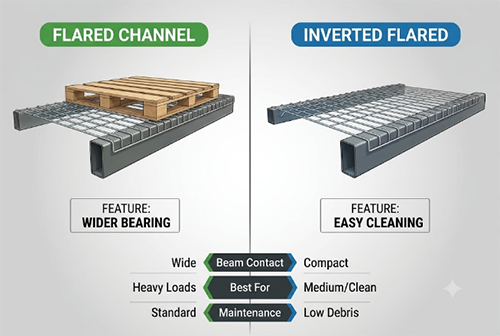 Time:7/24/2026
 -
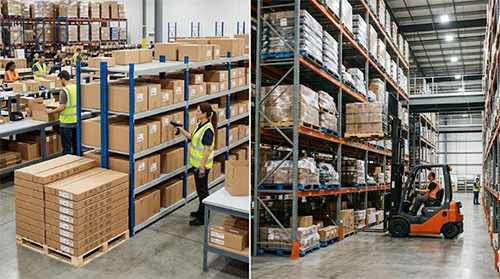 Time:7/22/2026
 -
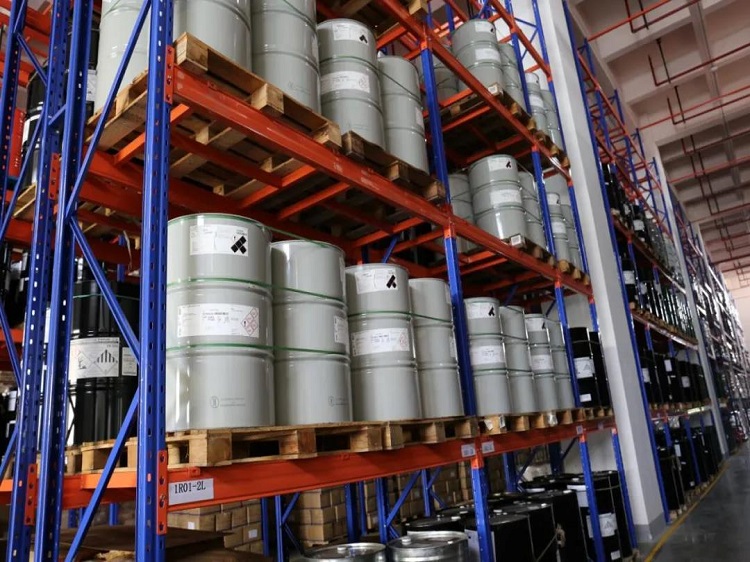 Time:7/21/2026
 -
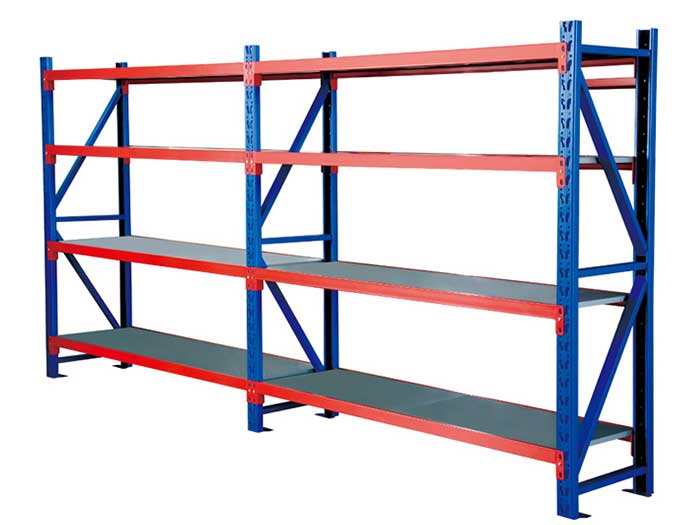 Time:7/16/2026
 -
 Time:7/14/2026
-
 Tel : +86 18006010205
-
 E-mail : [email protected]
-
 Address : Tongan Park, Tongan District, Xiamen, China 361023
10 Drive-In Racking Safety Rules for Warehouse Managers
 Time:6/11/2026
 87
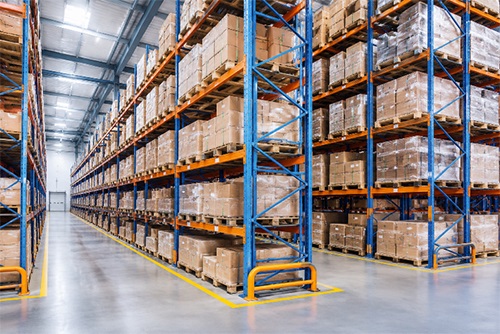
87Drive-in racking is one of the most efficient high-density storage systems for warehouses. By allowing forklifts to enter storage lanes directly, it maximizes space utilization and significantly increases pallet capacity.
However, this system also introduces unique operational risks due to its Last-In, First-Out (LIFO) structure and deep-lane forklift movement. Without proper safety control, minor impacts can escalate into serious structural failures.
Below are 10 essential safety rules every warehouse manager should follow.
1. Load Management and Weight Control
Each level of a drive-in racking system has a clearly defined load capacity. Exceeding this limit can lead to beam deformation, upright damage, or even system collapse.
Because of LIFO operation, pallets deeper in the lane create cumulative pressure toward the outer pallets. Uneven weight distribution increases structural stress significantly.
Best practices:
- Never exceed rated load per beam level
- Always place heavier pallets at lower levels
- Ensure pallets are labeled with weight before storage
- Avoid mixing light and heavy loads in the same lane sequence
2. Forklift Operators Must Be Specially Trained
Drive-in racking requires forklifts to enter narrow lanes with limited visibility. This is fundamentally different from selective racking operations.
Operators must be trained in:
- Deep lane navigation
- Precise alignment driving
- Reverse exit procedures
Recommendation:
Conduct periodic competency checks and refresher training every quarter.
3. Reverse Blind Driving Risk Control
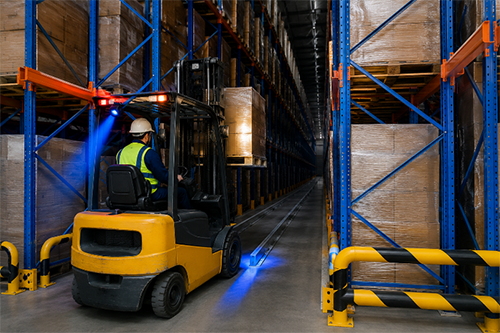
Due to LIFO design, forklifts must reverse out of deep lanes with limited or no rear visibility. This is one of the highest-risk operations in warehouse environments.
Common risks include:
- Collision with upright frames
- Impact damage to stored pallets
- Misalignment during reverse exit
Safety measures:
- Install blue reverse warning lights
- Use ultrasonic or radar-based detection systems
- Implement one-forklift-per-lane traffic control
- Limit reverse speed to 3 km/h
4. Guide Rails and Backstop Protection
Each lane must be equipped with guide rails and a rear backstop system to ensure forklift alignment and prevent pallet overrun.
Since operators cannot visually confirm rear positioning while reversing, physical guidance systems are essential.
Maintenance rules:
- Inspect backstops monthly
- Replace bent or worn guide rails immediately
- Check anchoring bolts for looseness
5. Monthly Structural Inspections Are Mandatory
Drive-in racking is highly sensitive to repeated minor impacts, especially at lower beam and upright levels.
Inspections should include:
- Upright deformation
- Beam cracking or bending
- Loose fasteners
- Floor settlement or unevenness
Best practice:
Maintain a photo-based inspection log. If recurring damage appears in the same area, the lane should be temporarily shut down for repair.
6. Standardize Pallet Sizes per Lane
Mixing different pallet sizes in one lane creates uneven load distribution and increases the risk of point loading on beams.
During reverse operations, forklifts cannot make precise side adjustments, making misalignment more likely.
Recommendations:
- Assign one pallet size per lane
- Use visual lane labeling or color coding
- Clearly mark allowed pallet dimensions at entry points
7. Floor Flatness Requirements Are Critical
Uneven flooring directly affects forklift alignment during deep-lane reverse operations.
Even minor slope deviations can lead to:
- Upright impacts
- Forklift steering deviation
- Uneven load distribution
Installation standard:
- Maximum floor deviation: ≤ 5 mm over 2 meters
- Re-check floor conditions every 6 months in high-traffic areas
8. Load Heaviest Items at Lower Levels
The center of gravity plays a critical role in racking stability. Placing heavy goods at higher levels increases tipping risk during forklift impact or vibration.
Correct loading principle:
Heaviest loads → bottom levels
Lightest loads → top levels
The top level should only store low-weight or non-critical items.
9. Limit Lane Depth to 6–7 Pallet Positions
Longer lanes increase reverse travel distance and magnify steering deviation risk. This directly raises the probability of collisions and pallet damage.
Recommended design limit:
- Maximum 6–7 pallet positions per lane
For deeper storage requirements, consider:
- Drive-through racking systems
- Double-deep configurations
10. Strictly Prohibit Turning Inside Lanes
Forklifts must never attempt to turn around inside drive-in lanes. This can cause:
- Damage to guide rails
- Structural beam stress
- High tipping risk
Since space is extremely confined, turning movements are mechanically unsafe.
Control measures:
- Install physical entry/exit barriers
- Use signage and floor markings
- Monitor via CCTV for compliance enforcement
Conclusion
Drive-in racking offers outstanding space efficiency for high-density warehouse operations. However, its LIFO structure and deep-lane forklift access introduce significant safety challenges.
By applying these 10 structured safety rules—covering load control, forklift operation, structural maintenance, and layout design—you can significantly reduce accident risk while maintaining maximum storage efficiency.
A well-managed drive-in system is not just about capacity—it is about controlled risk and disciplined operation.
-
-
PRODUCTS
-
NEWS
-
Flared vs Inverted Flared Wire Decking for Pallet Racks
24 JUL 2026
-
Split vs Solid Posts in Boltless Rivet Shelving
22 JUL 2026
-
Understanding Pallet Rack Load Capacity
21 JUL 2026
-
Flared vs Inverted Flared Wire Decking for Pallet Racks
-
FOLLOW US
-


 link:
Spieth Medical
link:
Spieth Medical


 if you have questions or suggestions,please leave us a message,we will reply you as soon as we can



-

-
 +86 18006010205
 -
 +86 18006010205
 0
0