 [email protected]
 +86 18006010205



-
Spieth, Space solutionsMore Than 18 Years Manufacturing & Exporting
-
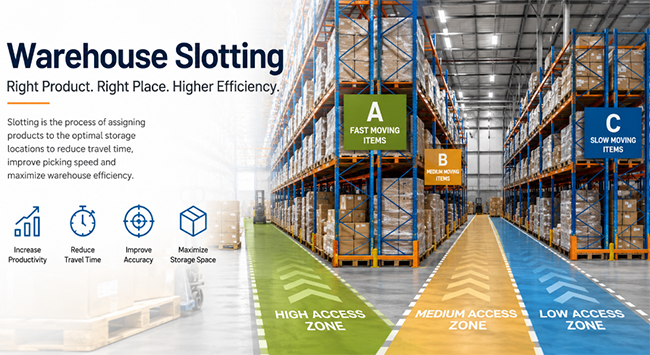 Time:6/1/2026
 -
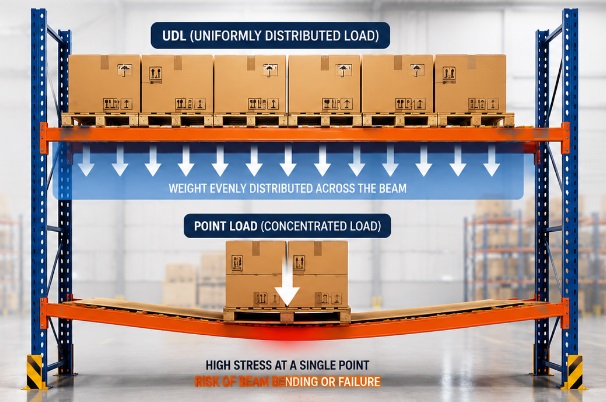 Time:5/26/2026
 -
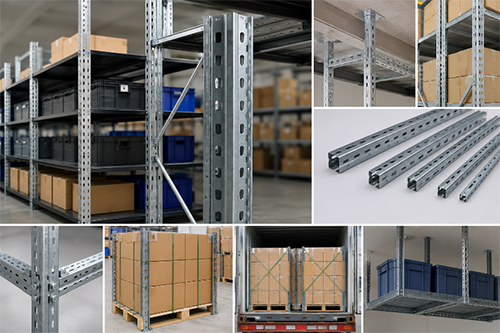 Time:5/21/2026


-
 Tel : +86 18006010205
-
 E-mail : [email protected]
-
 Address : Tongan Park, Tongan District, Xiamen, China 361023
How to Run a Warehouse Efficiently
 Time:4/20/2026
 50
50Running a warehouse efficiently is one of the most critical factors in modern supply chain competitiveness. As global logistics demand increases, businesses are under pressure to reduce operational cost, improve order accuracy, and maximize storage capacity without expanding physical space.
However, warehouse efficiency is not achieved by a single improvement. It requires a combination of layout optimization, inventory control, labor management, storage system design, and technology integration. This guide provides a deep, structured breakdown of how to build a high-performance warehouse system that is scalable, cost-effective, and future-ready.
Understanding Warehouse Efficiency in Modern Logistics
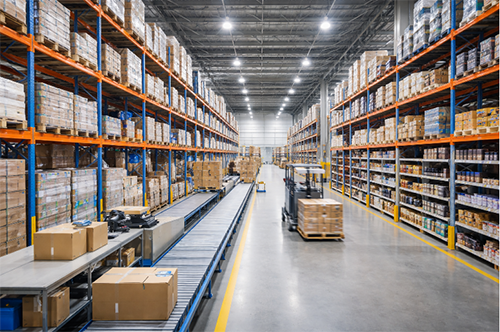
Warehouse efficiency refers to how effectively a warehouse uses its space, labor, equipment, and systems to fulfill orders and manage inventory. In high-performing warehouses, every process—from receiving goods to shipping orders—is optimized to reduce waste and maximize output.
In contrast, inefficient warehouses suffer from long picking times, poor inventory visibility, excessive labor cost, and underutilized storage space. Studies in logistics operations show that poor warehouse design can increase operational costs by up to 30%–40%.
Therefore, warehouse efficiency is not only an operational issue but a strategic business advantage.
Key Performance Indicators (KPIs) for Warehouse Efficiency
Order Picking Accuracy
This KPI measures how often the correct product is picked and shipped. A high-performing warehouse typically maintains accuracy above 99%. Even a 1% error rate can lead to significant return costs and customer dissatisfaction in large-scale operations.
Order Fulfillment Cycle Time
Cycle time refers to the total time from order receipt to shipment. Optimized warehouses use layout planning and automation to reduce this time by 20%–50% depending on system maturity.
Inventory Accuracy Rate
Inventory accuracy ensures that system data matches physical stock. Low accuracy leads to overstocking, stockouts, and inefficient purchasing decisions.
Space Utilization Efficiency
Efficient warehouses often achieve 70%–85% space utilization. Poorly designed warehouses may waste up to 40% of vertical space.
Warehouse Layout Optimization: The Foundation of Efficiency
Warehouse layout is one of the most influential factors in operational efficiency. A poorly designed layout increases travel distance, reduces picking speed, and creates bottlenecks in workflow.
Flow-Based Warehouse Design
The most efficient warehouse design follows a linear flow: Receiving → Storage → Picking → Packing → Shipping. This reduces cross-traffic and minimizes delays.
Zone-Based Picking Strategy
Dividing warehouses into zones based on SKU velocity significantly improves efficiency. Fast-moving items should be placed near packing stations, while slow-moving items are stored in less accessible areas.
Reducing Travel Distance
Research shows that up to 60% of warehouse labor time is spent walking. Optimized layouts can reduce travel distance by 25%–45%, directly increasing productivity.
The Role of Storage Systems in Warehouse Efficiency
Storage systems are the physical foundation of warehouse performance. Without proper racking and shelving systems, even the best layout strategy cannot be fully effective.
Pallet Racking Systems
Designed for heavy-duty industrial storage, pallet racking systems maximize vertical space and support large-volume inventory. They are widely used in logistics centers and manufacturing warehouses.
Supermarket Shelving Systems
Ideal for retail and fast-moving warehouses, shelving systems improve visibility and picking speed. They are especially effective for SKU-intensive environments.
Mobile Racking Systems
Mobile racking maximizes space efficiency by eliminating fixed aisles. It can increase storage capacity by up to 80%, making it ideal for space-limited warehouses.
Choosing the right storage system is not only about capacity—it directly affects picking speed, labor cost, and long-term scalability.
Inventory Management Strategies for High Efficiency
ABC Classification System
Inventory should be categorized based on movement frequency. A-items require frequent access, while C-items can be stored in less accessible areas.
Cycle Counting Method
Instead of full inventory audits, cycle counting allows continuous accuracy monitoring without disrupting operations.
Safety Stock Optimization
Maintaining optimal safety stock prevents stockouts while avoiding excessive capital tied in inventory.
Labor Efficiency and Workforce Optimization
Labor cost represents a significant portion of warehouse operating expenses. Improving workforce efficiency has a direct impact on profitability.
- Implement standardized operating procedures (SOPs)
- Assign workers based on warehouse zones
- Reduce unnecessary movement through layout optimization
- Provide continuous training and performance tracking
Technology Integration in Modern Warehouses
Technology plays a critical role in warehouse optimization, enabling real-time tracking, automation, and predictive planning.
- Warehouse Management Systems (WMS)
- Barcode and RFID tracking systems
- Automated guided vehicles (AGVs)
- AI-driven demand forecasting
How Storage Systems Directly Improve Warehouse Performance
A well-structured storage system improves every aspect of warehouse performance, from space utilization to labor efficiency.
Industrial Warehouse Storage Solutions
Modern shelving and racking systems help businesses maximize vertical space, improve picking efficiency, and reduce overall operational cost. These systems are essential for scalable warehouse growth in retail, logistics, and industrial sectors.
-
-
PRODUCTS
-
NEWS
-
What Is Slotting in a Warehouse
01 JUN 2026
-
Why USA Customers Prefer Importing Heavy Duty Flower Carts from China
29 MAY 2026
-
What Does UDL Mean in Racking
26 MAY 2026
-
What Is Slotting in a Warehouse
-
FOLLOW US
-


 link:
Spieth Medical
link:
Spieth Medical


 if you have questions or suggestions,please leave us a message,we will reply you as soon as we can



-

-
 +86 18006010205
 -
 +86 18006010205
 0
0