 [email protected]
 +86 18006010205



-
Spieth, Space solutionsMore Than 18 Years Manufacturing & Exporting
LATEST NEWS
-
 Time:6/24/2026
 -
 Time:6/23/2026
CONTACT US
-
 Tel : +86 18006010205
-
 E-mail : [email protected]
-
 Address : Tongan Park, Tongan District, Xiamen, China 361023
Product News
How Much Does a Grocery Store Shopping Cart Cost
 Time:11/13/2025
 5011
5011
The average cost of a grocery store shopping cart ranges from $75 to $400, depending on size, material, and design. Understanding these factors helps retailers make cost-effective purchasing decisions.
Several factors influence the cost of a grocery shopping cart:
Cart Size & Capacity: Larger carts cost more but improve customer convenience.
Material Type: Metal wire carts are more durable, while plastic carts are rust-free and quieter.
Load Capacity & Design: Heavy-duty models for warehouses are more expensive.
Brand and Origin: Imported carts may cost more due to shipping.
Order Quantity: Buying in bulk usually reduces the unit price.
Additional Features: Seats, bumpers, or logo customization increase cost.
Standard Metal Shopping Cart ($130–$250): Durable, used in most supermarkets.
Plastic Nesting Cart ($100–$180): Lightweight and corrosion-resistant.
Compact Hand Basket Cart ($70–$120): Ideal for small convenience stores.
Double-Basket Cart ($90–$150): Efficient for compact retail layouts.
Heavy-Duty Cart ($250–$400): For warehouse-style retail environments.
choose plastic carts for modern appearance and easy maintenance.
When budgeting for new carts, consider these potential costs:
Shipping and Freight Fees
Assembly or Setup Costs
Custom Branding Charges
Maintenance or Replacement Parts
These hidden costs can raise the overall investment by 10–20%.
Finding a reliable supplier is as important as the cart itself.
Best for bulk orders or custom branding with factory pricing.
Good for standardized, ready-to-ship models.
Options like Alibaba or Made-in-China offer variety, but verify quality carefully.
Cost-saving choice for small retailers or startups.
If you’re looking for durable and affordable grocery store shopping carts, you can send us an inquiry directly through this website.
We provide:
Fast quotations based on your order size
Expert recommendations for your store layout
OEM customization for logo and color
[Contact Us Now] — Our team will reply within 24 hours to assist with your order.
Q1: Why do metal carts cost more?
Because they’re stronger and last longer under heavy use.
Q2: Can bulk orders lower the price?
Yes. Ordering 100+ units can save up to 20%.
Q3: How long does a shopping cart last?
Usually 5–10 years with proper maintenance.
Q4: Are plastic carts recyclable?
Many models are made from eco-friendly, recyclable materials.
While grocery shopping carts cost between $75 and $400, choosing the right one depends on your store type and customer flow.
A well-chosen cart not only enhances shopping comfort but also reflects your brand’s professionalism.
Looking for a reliable supplier?
Send us an inquiry today — we’ll recommend the most cost-effective solution for your supermarket.
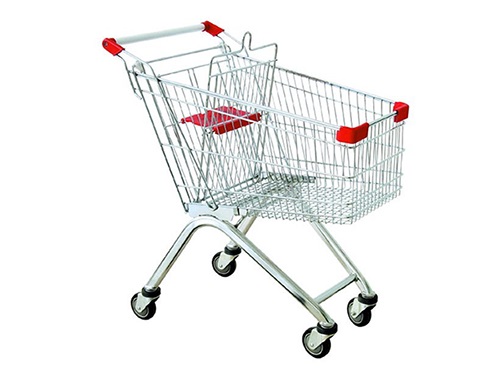
1. Factors That Affect Grocery Cart Prices
Several factors influence the cost of a grocery shopping cart:
Cart Size & Capacity: Larger carts cost more but improve customer convenience.
Material Type: Metal wire carts are more durable, while plastic carts are rust-free and quieter.
Load Capacity & Design: Heavy-duty models for warehouses are more expensive.
Brand and Origin: Imported carts may cost more due to shipping.
Order Quantity: Buying in bulk usually reduces the unit price.
Additional Features: Seats, bumpers, or logo customization increase cost.
|
Cart Type |
Material |
Average Price (USD) |
|
Mini Cart |
Plastic |
$75–$120 |
|
Standard Wire Cart |
Metal |
$130–$250 |
|
Heavy-Duty Cart |
Steel |
$250–$400 |
2. Types of Grocery Shopping Carts and Their Typical Prices
Standard Metal Shopping Cart ($130–$250): Durable, used in most supermarkets.
Plastic Nesting Cart ($100–$180): Lightweight and corrosion-resistant.
Compact Hand Basket Cart ($70–$120): Ideal for small convenience stores.
Double-Basket Cart ($90–$150): Efficient for compact retail layouts.
Heavy-Duty Cart ($250–$400): For warehouse-style retail environments.
3. Metal vs. Plastic Shopping Carts: Which Is Better?
|
Feature |
Metal Cart |
Plastic Cart |
|
Durability |
High |
Medium |
|
Maintenance |
May rust |
Rust-free |
|
Noise |
Louder |
Quieter |
|
Weight |
Heavier |
Lighter |
|
Price |
$130–$250 |
$100–$180 |
Tip:
Choose metal carts for heavy use and long lifespan;
choose plastic carts for modern appearance and easy maintenance.
4. Hidden Costs Retailers Often Overlook
When budgeting for new carts, consider these potential costs:
Shipping and Freight Fees
Assembly or Setup Costs
Custom Branding Charges
Maintenance or Replacement Parts
These hidden costs can raise the overall investment by 10–20%.
5. Where to Buy Grocery Store Shopping Carts
Finding a reliable supplier is as important as the cart itself.
Direct Manufacturers:
Best for bulk orders or custom branding with factory pricing.
Wholesale Distributors:
Good for standardized, ready-to-ship models.
Online B2B Platforms:
Options like Alibaba or Made-in-China offer variety, but verify quality carefully.
Used Equipment Dealers:
Cost-saving choice for small retailers or startups.
Recommended Option: Buy Directly from Our Store
If you’re looking for durable and affordable grocery store shopping carts, you can send us an inquiry directly through this website.
We provide:
Fast quotations based on your order size
Expert recommendations for your store layout
OEM customization for logo and color
[Contact Us Now] — Our team will reply within 24 hours to assist with your order.
6. FAQs About Grocery Shopping Cart Costs
Q1: Why do metal carts cost more?
Because they’re stronger and last longer under heavy use.
Q2: Can bulk orders lower the price?
Yes. Ordering 100+ units can save up to 20%.
Q3: How long does a shopping cart last?
Usually 5–10 years with proper maintenance.
Q4: Are plastic carts recyclable?
Many models are made from eco-friendly, recyclable materials.
7. Final Thoughts
While grocery shopping carts cost between $75 and $400, choosing the right one depends on your store type and customer flow.
A well-chosen cart not only enhances shopping comfort but also reflects your brand’s professionalism.
Looking for a reliable supplier?
Send us an inquiry today — we’ll recommend the most cost-effective solution for your supermarket.
-
-
PRODUCTS
-
NEWS
-
FOLLOW US
-


 link:
Spieth Medical
link:
Spieth Medical


Send Message
 if you have questions or suggestions,please leave us a message,we will reply you as soon as we can



ONLINE SERVICE
-

-
 +86 18006010205
 -
 +86 18006010205
 0
0
Browsing History