 [email protected]
 +86 18006010205



-
Spieth, Space solutionsMore Than 18 Years Manufacturing & Exporting
LATEST NEWS
-
 Time:7/16/2026
 -
 Time:7/14/2026
 -
 Time:7/13/2026
 -
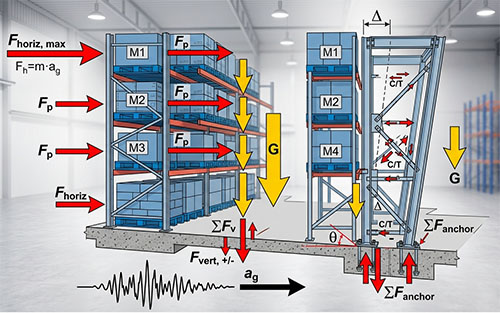 Time:7/10/2026
CONTACT US
-
 Tel : +86 18006010205
-
 E-mail : [email protected]
-
 Address : Tongan Park, Tongan District, Xiamen, China 361023
Product News
Shuttle Racking System Advantages and Disadvantages
 Time:12/3/2025
 299
299
In today’s fast-paced logistics and warehousing environment, efficiency and space optimization are key. One solution gaining popularity among warehouse managers is the Shuttle Racking System. This automated storage solution combines high-density storage with faster operations, making it ideal for modern warehouses.
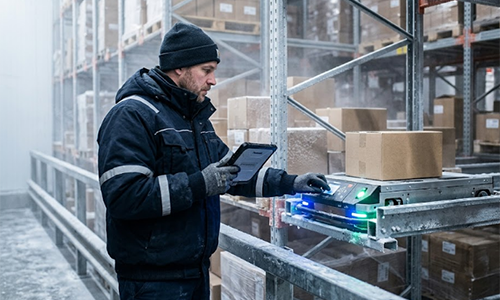
A Shuttle Racking System is an automated storage system designed to move pallets in and out of storage racks using a small motorized shuttle. It works along rails installed on each level of the rack. Unlike traditional pallet racks, this system allows pallets to be stored deeper within the rack without requiring forklift access for each pallet, improving storage density and efficiency.
Key Components:
Radio Shuttle
Rails and tracks
High-density racking structure
Control system for operation
Ideal Use Cases:
Cold storage and refrigerated warehouses
High-volume distribution centers
Warehouses with deep storage requirements
1. High-Density Storage
Shuttle racking systems maximize warehouse space by allowing pallets to be stored several layers deep. This high-density storage can significantly increase storage capacity without expanding the warehouse footprint.
2. Increased Operational Efficiency
Automated shuttle movement reduces the need for forklifts to enter the rack, speeding up pallet storage and retrieval. This results in faster operations, especially for warehouses handling large quantities of pallets.
3. Labor Cost Reduction
By automating pallet movement, shuttle racking systems reduce reliance on manual labor. This not only lowers labor costs but also minimizes errors associated with human operation.
4. Improved Safety
With forklifts less frequently entering storage lanes, the risk of collisions and accidents is significantly reduced. This makes shuttle racking systems safer for both staff and inventory, especially when storing heavy or hazardous goods.
5. Flexibility
Shuttle systems can accommodate various pallet sizes and types of goods. They can also be integrated with existing warehouse management systems (WMS), offering a flexible solution for different storage needs.
1. High Initial Cost
The cost of shuttle racking systems, including shuttles, tracks, and installation, is higher than traditional pallet racks. This high upfront investment is usually justified only for medium-to-large warehouses with high storage density needs.
2. Maintenance and Technical Requirements
Shuttles, batteries, and rails require regular maintenance to ensure smooth operation. Skilled personnel are needed to operate and monitor the system, which may increase operational complexity.
3. System Downtime Risk
Any failure in the shuttle system can temporarily halt warehouse operations. To mitigate this, warehouses need a backup plan or contingency procedures.
4. Not Suitable for All Goods
Certain goods, especially small, irregularly shaped, or fragile items, may not be compatible with shuttle racking systems. Additionally, environmental conditions such as temperature and humidity may affect system performance.
Before investing in a shuttle racking system, consider the following:
Warehouse Size and Layout: Large warehouses with deep storage benefit most.
Inventory Turnover: High-volume operations maximize efficiency gains.
Investment vs. ROI: Evaluate long-term savings in labor, space, and operational speed.
Goods Type: Ensure your products are suitable for shuttle storage.
Example: A cold storage warehouse handling high-volume frozen goods can save significant time and reduce forklift congestion using shuttle racking systems compared to conventional pallet racks.
Shuttle racking systems offer remarkable advantages, including high-density storage, operational efficiency, labor savings, and safety improvements. However, they come with considerations such as high initial costs, maintenance needs, and compatibility limitations.
Ultimately, the decision to implement a shuttle racking system depends on your warehouse size, inventory type, and operational goals. By weighing the advantages and disadvantages, you can determine whether this automated solution aligns with your storage needs.
In this article, we will explore the advantages and disadvantages of shuttle racking systems, helping you determine if it’s the right fit for your warehouse.

What is a Shuttle Racking System?
A Shuttle Racking System is an automated storage system designed to move pallets in and out of storage racks using a small motorized shuttle. It works along rails installed on each level of the rack. Unlike traditional pallet racks, this system allows pallets to be stored deeper within the rack without requiring forklift access for each pallet, improving storage density and efficiency.
Key Components:
Radio Shuttle
Rails and tracks
High-density racking structure
Control system for operation
Ideal Use Cases:
Cold storage and refrigerated warehouses
High-volume distribution centers
Warehouses with deep storage requirements
Advantages of Shuttle Racking Systems
1. High-Density Storage
Shuttle racking systems maximize warehouse space by allowing pallets to be stored several layers deep. This high-density storage can significantly increase storage capacity without expanding the warehouse footprint.
2. Increased Operational Efficiency
Automated shuttle movement reduces the need for forklifts to enter the rack, speeding up pallet storage and retrieval. This results in faster operations, especially for warehouses handling large quantities of pallets.
3. Labor Cost Reduction
By automating pallet movement, shuttle racking systems reduce reliance on manual labor. This not only lowers labor costs but also minimizes errors associated with human operation.
4. Improved Safety
With forklifts less frequently entering storage lanes, the risk of collisions and accidents is significantly reduced. This makes shuttle racking systems safer for both staff and inventory, especially when storing heavy or hazardous goods.
5. Flexibility
Shuttle systems can accommodate various pallet sizes and types of goods. They can also be integrated with existing warehouse management systems (WMS), offering a flexible solution for different storage needs.
Disadvantages of Shuttle Racking Systems
1. High Initial Cost
The cost of shuttle racking systems, including shuttles, tracks, and installation, is higher than traditional pallet racks. This high upfront investment is usually justified only for medium-to-large warehouses with high storage density needs.
2. Maintenance and Technical Requirements
Shuttles, batteries, and rails require regular maintenance to ensure smooth operation. Skilled personnel are needed to operate and monitor the system, which may increase operational complexity.
3. System Downtime Risk
Any failure in the shuttle system can temporarily halt warehouse operations. To mitigate this, warehouses need a backup plan or contingency procedures.
4. Not Suitable for All Goods
Certain goods, especially small, irregularly shaped, or fragile items, may not be compatible with shuttle racking systems. Additionally, environmental conditions such as temperature and humidity may affect system performance.

Is a Shuttle Racking System Right for Your Warehouse?
Before investing in a shuttle racking system, consider the following:
Warehouse Size and Layout: Large warehouses with deep storage benefit most.
Inventory Turnover: High-volume operations maximize efficiency gains.
Investment vs. ROI: Evaluate long-term savings in labor, space, and operational speed.
Goods Type: Ensure your products are suitable for shuttle storage.
Example: A cold storage warehouse handling high-volume frozen goods can save significant time and reduce forklift congestion using shuttle racking systems compared to conventional pallet racks.
Conclusion
Shuttle racking systems offer remarkable advantages, including high-density storage, operational efficiency, labor savings, and safety improvements. However, they come with considerations such as high initial costs, maintenance needs, and compatibility limitations.
Ultimately, the decision to implement a shuttle racking system depends on your warehouse size, inventory type, and operational goals. By weighing the advantages and disadvantages, you can determine whether this automated solution aligns with your storage needs.
-
-
PRODUCTS
-
NEWS
-
Why Spieth Butterfly Shelving Stands Out
16 JUL 2026
-
Standard Pallet Rack Dimensions: Size & Capacity Guide
14 JUL 2026
-
How to Choose Wire Cages for Bottle Storage
13 JUL 2026
-
Why Spieth Butterfly Shelving Stands Out
-
FOLLOW US
-


 link:
Spieth Medical
link:
Spieth Medical


Send Message
 if you have questions or suggestions,please leave us a message,we will reply you as soon as we can



ONLINE SERVICE
-

-
 +86 18006010205
 -
 +86 18006010205
 0
0
Browsing History