 [email protected]
 +86 18006010205
-


-
Warning: Undefined array key 2 in /home2/spiethlt/unracking.com/Templete/sps/Include/Function.php on line 372

-
Spieth, Space solutionsMore Than 18 Years Manufacturing & Exporting
-
 Tel : +86 18006010205
-
 E-mail : [email protected]
-
 Address : Tongan Park, Tongan District, Xiamen, China 361023
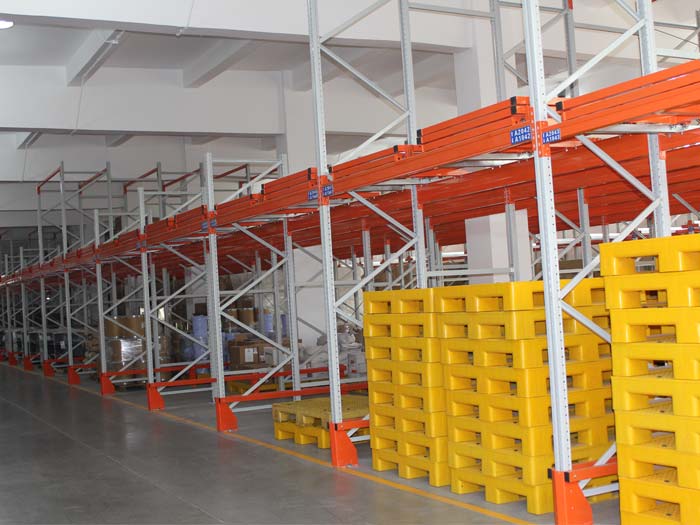
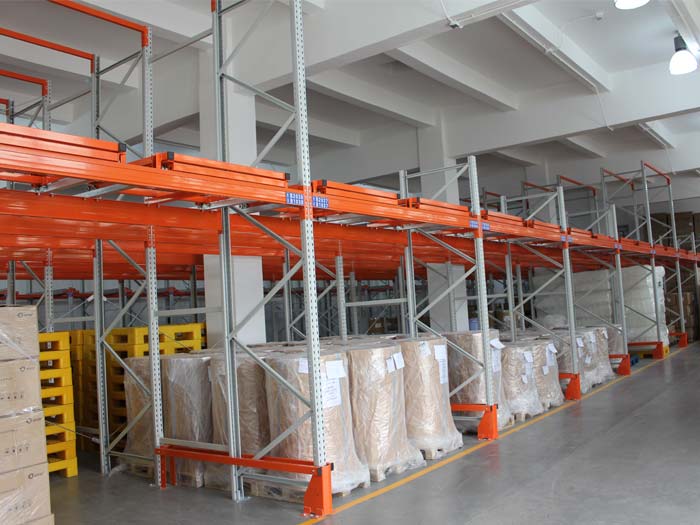
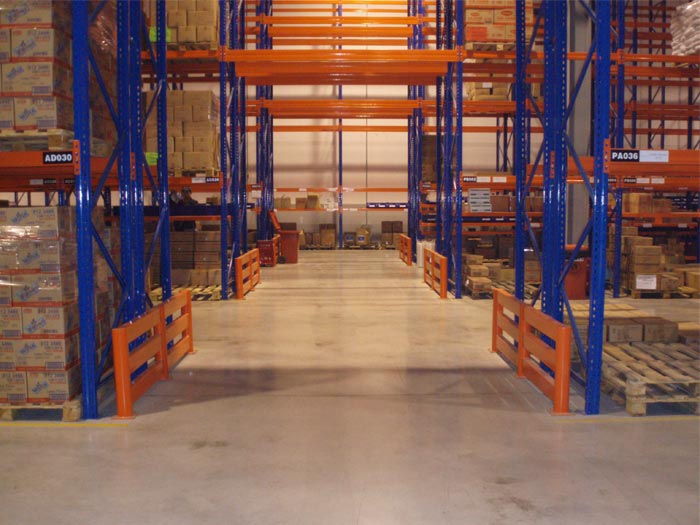
Structural Push Back Pallet Racking For Food & Beverage
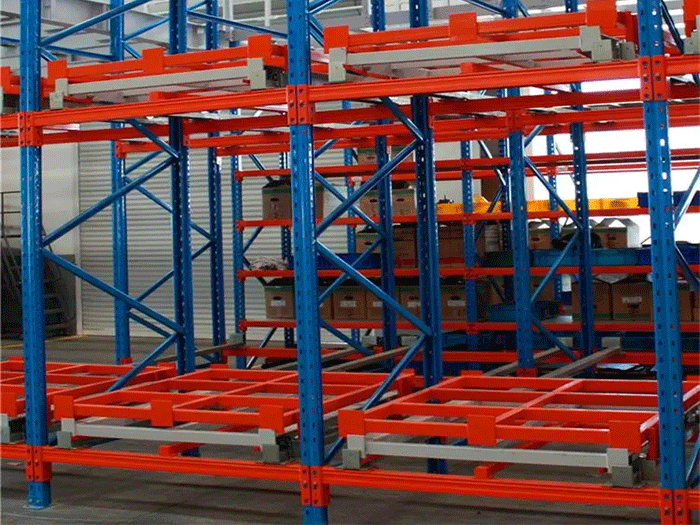


When you're searching for a medium to high density storage solution for food and beverages but are short on space, a push-back rack pallet storage system may be a good choice.
Structural Push Back Racking | FIFO/LIFO Storage Solution | Warehouse Space Optimization
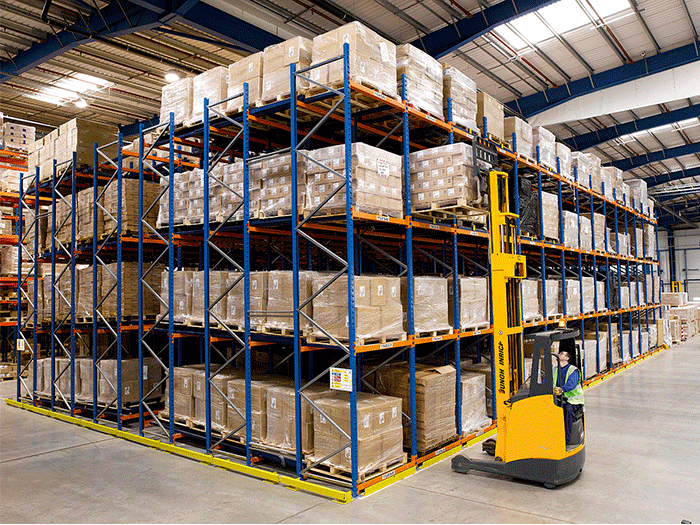
The Push Back Pallet Racking System is a high-density storage solution designed for warehouses that require efficient space utilization, fast pallet access, and reduced aisle consumption.
It is widely used in food & beverage distribution, cold storage, logistics centers, and manufacturing warehouses where SKU variety and storage density are both critical.
How Push Back Racking System Works
Push back racking operates on a last-in, first-out (LIFO) principle.
Pallets are stored on nested carts that sit on inclined rails. When a new pallet is loaded, it pushes previous pallets backward into the lane. When unloading, gravity moves the next pallet automatically to the picking position.
Technical Specifications
- Pallet Depth: 2–6 pallets per lane
- Load Capacity: 500–1500 kg per pallet (customizable)
- Structure Type: Structural steel frame / Roll-formed optional
- Operation Mode: LIFO (Last In First Out)
- Forklift Requirement: Standard counterbalance forklift
Push Back vs Other Racking Systems
| System Type | Storage Density | Accessibility | Best Use Case |
|---|---|---|---|
| Selective Racking | Low | Very High | Fast moving SKU |
| Drive-In Racking | Very High | Low | Bulk storage |
| Push Back Racking | High | Medium | Medium turnover inventory |
Key Advantages
✔ Maximizes warehouse storage density without increasing aisle space
✔ Independent lane access improves operational flexibility
✔ Reduces forklift travel time and improves efficiency
✔ Suitable for multiple SKUs and medium turnover goods
✔ Reduces product damage compared to drive-in systems
Frequently Asked Questions
Q1: What is the main advantage of push back racking?
It provides high-density storage while maintaining better accessibility compared to drive-in systems.
Q2: How many pallets deep can push back racking store?
Typically 2 to 6 pallets deep depending on warehouse layout and product weight.
Q3: Is push back racking FIFO or LIFO?
It operates on a LIFO (Last In First Out) principle.
Q4: What industries use push back racking?
Food & beverage, cold storage, logistics, manufacturing, and FMCG distribution centers.
Push Back Racking Design Factors
The performance of a push back pallet racking system depends on several engineering and warehouse design factors. Proper configuration ensures safety, stability, and optimal storage efficiency.
- Pallet size and type: Standardized pallets improve cart movement stability and system safety.
- Load weight distribution: Heavier loads require reinforced rail and cart structures.
- Aisle width: Must be designed based on forklift turning radius and operational flow.
- Rack depth configuration: 2–6 pallet depths depending on SKU turnover rate.
- Warehouse temperature: Cold storage requires special lubrication and steel treatment.
How to Choose the Right Push Back Racking System
Selecting the correct push back racking solution depends on your warehouse operation model and inventory flow strategy.
Step 1: Identify pallet dimensions and weight
Step 2: Define SKU turnover speed (fast / medium / slow)
Step 3: Confirm storage density requirement
Step 4: Evaluate forklift type and aisle constraints
For medium-turnover goods, push back racking is often the most efficient solution between selective and drive-in systems.
Engineering and Safety Considerations
Push back racking systems require precise engineering to ensure safe operation under dynamic load conditions.
- Structural steel frame must withstand dynamic pallet movement forces
- Rail inclination angle must ensure controlled gravity flow
- Cart system must support repeated impact loads during loading operations
- Regular inspection is required to ensure wheel and rail integrity
Proper installation and maintenance significantly reduce warehouse accident risk and extend system lifespan.
-
Do you offer samples available?Yes, samples are available. Sample lead time 3-5days generally.
-
Do you offer custom design?Custom design is surely available. we have very rich experience in customizing shelves.
-
What is the term of payment?Regularly, 30percentTT in advance,70percent against the copy of B/L.
-
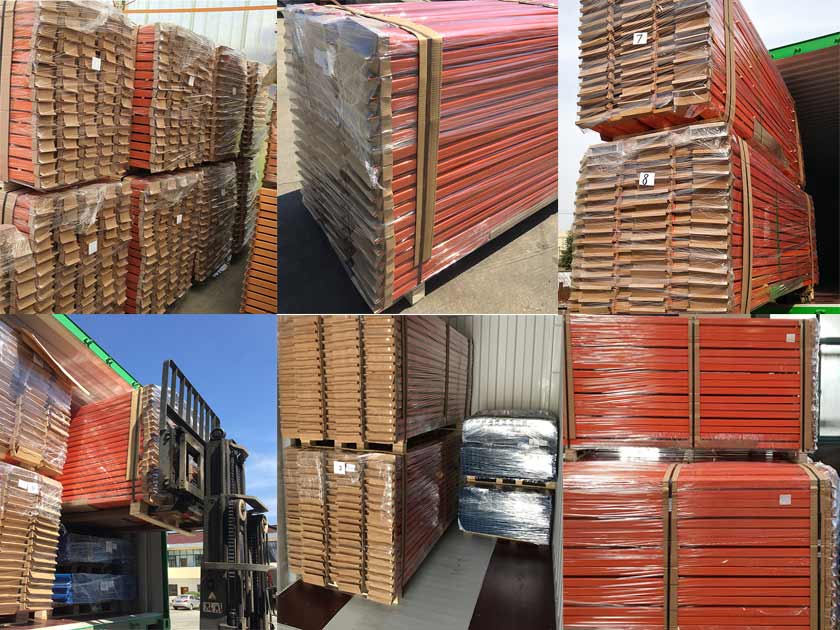
What is your delivery time?Usually: 1*20' GP container, around 15 days; 1*40'GP container, around 20days; For some urgent orders,will adjust as your requirement accordingly.
-
Are you manufacturer or trading company?We are manufacturer. Our factory has been specializing in warehouse storage equipments for years. We warmly welcome you to visit our factory at anytime.

-
-
PRODUCTS
-
NEWS
-
FOLLOW US
-


 link:
Spieth Medical
link:
Spieth Medical


 if you have questions or suggestions,please leave us a message,we will reply you as soon as we can



-

-
 +86 18006010205
 -
 +86 18006010205
 0
0