 [email protected]
 +86 18006010205



-
Spieth, Space solutionsMore Than 18 Years Manufacturing & Exporting
-
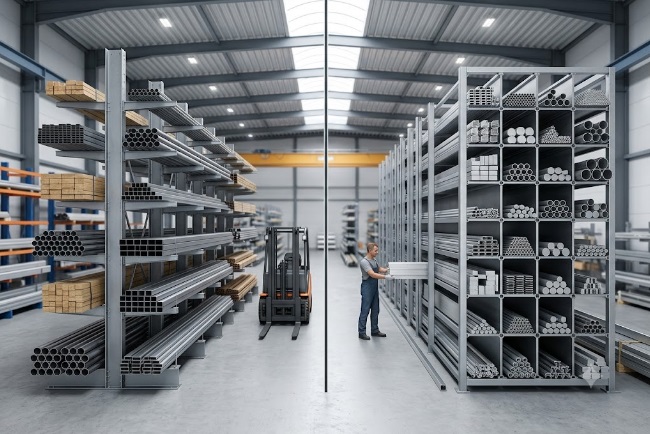 Time:7/6/2026
 -
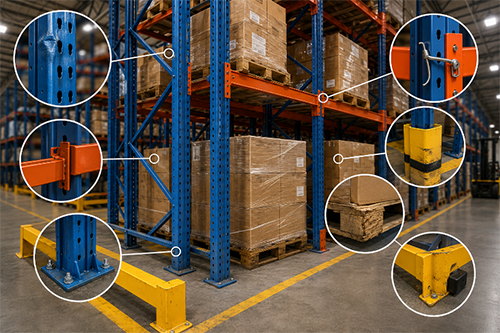 Time:6/24/2026
 -
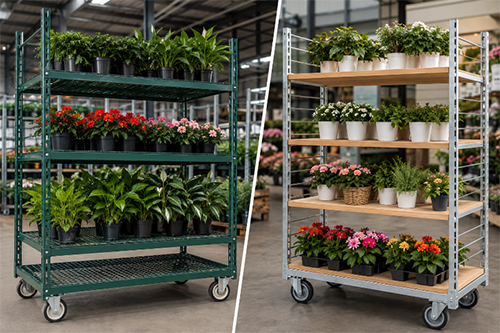 Time:6/23/2026
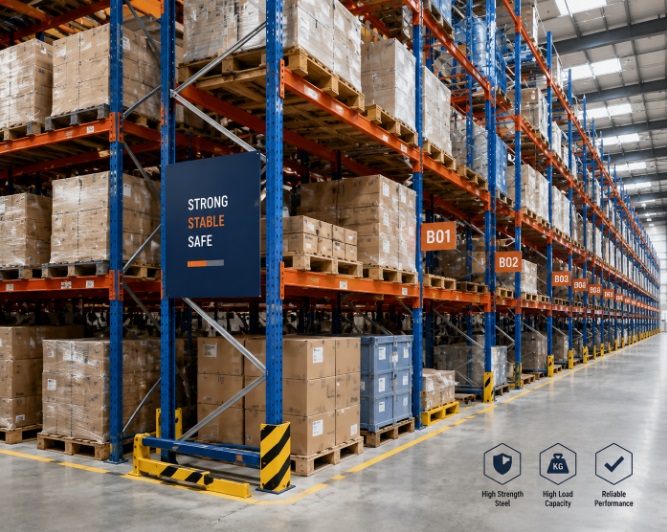
-
 Tel : +86 18006010205
-
 E-mail : [email protected]
-
 Address : Tongan Park, Tongan District, Xiamen, China 361023
How to Safely Store Propane Tanks in a Warehouse
 Time:2/9/2026
 296
296Propane cylinders are widely used in warehouses and industrial facilities to support forklifts, maintenance equipment and temporary production activities. Improper storage, however, can introduce serious operational and safety risks. This guide focuses specifically on how to store propane tanks safely in warehouse and industrial environments, with an emphasis on layout planning and purpose-designed storage solutions.
Why Propane Tank Storage Is a Critical Issue in Warehouses
In a busy warehouse, propane tanks are often moved frequently and stored close to operating areas. Without a dedicated storage zone and appropriate equipment, cylinders may be exposed to impact, unstable positioning and poor ventilation. These risks not only threaten personnel safety, but can also interrupt daily operations and damage nearby equipment.
Unlike general goods, propane tanks require controlled handling, separation and secure positioning. A structured storage approach is therefore essential for modern warehouse facilities.
Common Risks When Storing Propane Tanks in a Warehouse
- Cylinders tipping or rolling due to unstable placement.
- Impact from forklifts and pallet handling equipment.
- Inadequate ventilation in enclosed storage rooms.
- Mixing full and empty cylinders without clear separation.
- Temporary storage in high-traffic production or maintenance zones.
Key Safety Principles for Warehouse Propane Tank Storage
- Store cylinders in an upright position and secure them to prevent tipping.
- Maintain sufficient ventilation in all designated storage areas.
- Keep tanks away from ignition sources and hot-work activities.
- Design clear access aisles and protection zones around storage areas.
- Use visible identification to separate full and empty cylinders.
Why Standard Shelving Is Not Suitable for Propane Tank Storage
Conventional warehouse shelving is designed primarily for cartons, pallets and flat loads. Cylindrical containers behave differently under movement and vibration. Standard shelves typically do not provide anti-roll features, restraint points or impact protection.
As a result, using general-purpose shelving for propane tanks can increase the risk of tipping, collision damage and unsafe access during daily handling.
Recommended Storage Solutions for Propane Tanks in Warehouses
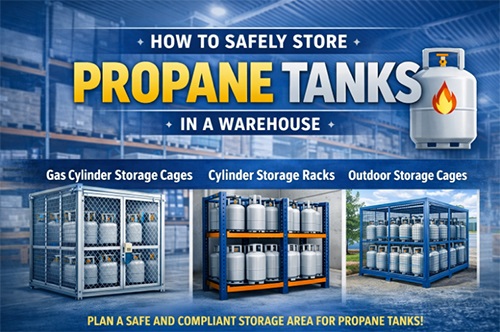
Dedicated Gas Cylinder Storage Cages
Steel wire mesh cages offer natural ventilation and controlled access. When designed for gas cylinders, they include internal restraints or chains to secure each tank and help maintain stable upright positioning. Lockable doors also improve site safety management.
Customized Wire Mesh Containers and Stillage Cages
Standard wire mesh containers can be adapted for propane tank storage through the addition of cylinder brackets, anti-tip frames and protective bumpers. This approach is well suited for site-specific layouts and project-based storage requirements.
Ground-Fixed or Pallet-Based Cylinder Racks
For facilities with stable storage zones and repetitive handling routines, fixed cylinder racks provide consistent positioning and allow forklifts to move grouped cylinders safely when required.
Layout and Zoning Tips for Propane Tank Storage Areas
- Create clearly marked zones for full and empty cylinders.
- Locate storage areas away from main forklift traffic routes.
- Install physical barriers or guard rails to reduce accidental impact.
- Allow sufficient working space for loading and unloading operations.
Outdoor vs Indoor Storage: What Warehouse Operators Should Consider
Covered outdoor storage areas are often preferred because natural ventilation reduces the risk of gas accumulation. Outdoor installations should include weather protection, level foundations and appropriate drainage to keep cylinders stable and accessible.
When indoor storage is unavoidable, additional attention must be given to airflow management, access control and separation from production or charging areas.
Compliance and Responsibility Considerations
Fire safety and gas handling regulations vary significantly between countries and regions. Warehouse operators should consult local authorities or qualified safety professionals before implementing any propane tank storage system.
Storage equipment suppliers can provide application-based recommendations, but final responsibility for regulatory compliance remains with the facility operator.
How Storage Equipment Design Improves Operational Safety and Efficiency
- Reduced handling time and congestion around storage zones.
- Lower risk of cylinder damage and unplanned downtime.
- Improved visibility and inventory control for gas cylinders.
- Better alignment with daily warehouse workflows and material movement.
Why Project-Based Storage Design Is Often Necessary for Propane Tanks
Warehouses differ significantly in available space, traffic patterns and handling methods. Cylinder sizes, storage quantities and access requirements also vary from site to site.
For this reason, propane tank storage solutions are often developed on a project basis rather than as off-the-shelf products. Customized layouts and equipment configurations help ensure compatibility with existing racking systems, safety zones and operational processes.
Conclusion: Building a Safer Propane Tank Storage Area in Your Warehouse
Safe propane tank storage in warehouses requires more than simple placement. It depends on proper zoning, ventilation and the use of purpose-designed storage equipment that reflects real operational conditions.
By combining thoughtful layout planning with customized storage solutions, warehouse operators can significantly improve safety performance while maintaining efficient daily operations.
This article is intended for industrial and warehouse applications only and does not replace professional safety assessments or local regulatory requirements.
-
-
PRODUCTS
-
NEWS
-
FOLLOW US
-


 link:
Spieth Medical
link:
Spieth Medical


 if you have questions or suggestions,please leave us a message,we will reply you as soon as we can



-

-
 +86 18006010205
 -
 +86 18006010205
 0
0