 [email protected]
 +86 18006010205



-
Spieth, Space solutionsMore Than 18 Years Manufacturing & Exporting
-
 Time:7/14/2026
 -
 Time:7/13/2026
 -
 Time:7/10/2026
 -
 Time:7/6/2026
-
 Tel : +86 18006010205
-
 E-mail : [email protected]
-
 Address : Tongan Park, Tongan District, Xiamen, China 361023
Warehouse Rack Protection Guide for Safer Storage
 Time:5/7/2026
 109
109Warehouse rack protection plays a critical role in maintaining safety, efficiency, and cost control in modern storage facilities. As warehouses handle increasing traffic from forklifts and heavy goods, protecting pallet racking systems has become essential rather than optional. This guide explains what warehouse rack protection is, why it matters, and how to choose the right solution for your facility.
What Is Warehouse Rack Protection?
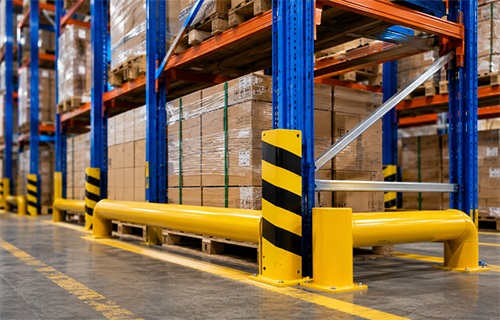
Warehouse rack protection refers to a range of safety systems designed to shield storage racks from accidental impact and structural damage. These protective components are usually installed at vulnerable points such as rack uprights, corners, and aisle ends.
In most warehouses, forklifts are the main cause of rack damage. Even minor collisions can weaken the structure over time. Rack protection systems help absorb impact and reduce the risk of collapse or costly repairs.
Why Warehouse Rack Protection Is Important
Investing in warehouse rack protection is not only about preventing damage—it directly impacts operational safety and long-term efficiency.
Prevents Forklift Damage
Forklift traffic is one of the biggest risks in warehouses. Protective systems reduce the impact force when accidental collisions occur.
Improves Workplace Safety
Damaged racks can lead to falling goods, which creates serious safety hazards for workers.
Reduces Maintenance Costs
Replacing or repairing pallet racks can be expensive. Protection systems significantly extend rack lifespan.
Minimizes Downtime
Accidents in storage areas can disrupt operations. Prevention ensures smoother workflow and fewer interruptions.
Common Types of Warehouse Rack Protection
Installed at the base of vertical uprights, these guards absorb direct forklift impact and prevent structural bending.
End-of-Aisle Guards
Placed at the end of rack rows, they protect against turning or reversing forklifts in narrow aisles.
These provide full coverage for rack legs and are commonly used in high-traffic industrial warehouses.
Barrier Systems
Steel or modular barriers create physical separation between racks and vehicle pathways, offering maximum protection.
Materials Used in Rack Protection Systems
The durability of rack protection depends heavily on the material used.
Steel protection systems: High strength and suitable for heavy-duty environments
Polymer or plastic guards: Flexible and impact-absorbing
Rubber bumpers: Ideal for light to medium protection needs
Choosing the right material depends on traffic intensity, forklift type, and warehouse layout.
How to Choose the Right Rack Protection
Selecting the right warehouse rack protection system requires careful evaluation.
Warehouse Traffic Level
High-traffic areas require stronger and more durable protection systems.
Forklift Type and Speed
Heavier forklifts or high-speed operations need reinforced protection solutions.
Rack Height and Load Capacity
Higher and heavier racks require stronger structural protection.
Safety Standards Compliance
Ensure the system meets local warehouse safety regulations and industry standards.
Installation Tips for Warehouse Rack Protection
Proper installation is essential for effective performance.
Install protection at known collision points
Ensure all guards are securely anchored to the floor
Match protection type with rack structure
Conduct regular inspections for damage or wear
Routine maintenance helps ensure long-term effectiveness and safety.
Benefits of Warehouse Rack Protection Systems
Implementing a proper protection system brings multiple advantages:
Extended lifespan of pallet racking systems
Reduced accident risk in warehouse operations
Lower long-term maintenance and replacement costs
Improved operational efficiency and workflow stability
Enhanced compliance with warehouse safety standards
Conclusion
Warehouse rack protection is a crucial investment for any modern storage facility. It not only prevents costly damage but also ensures a safer and more efficient working environment. By choosing the right protection system based on your warehouse conditions, you can significantly improve both safety and long-term operational performance.
-
-
PRODUCTS
-
NEWS
-
FOLLOW US
-


 link:
Spieth Medical
link:
Spieth Medical


 if you have questions or suggestions,please leave us a message,we will reply you as soon as we can



-

-
 +86 18006010205
 -
 +86 18006010205
 0
0