 [email protected]
 +86 18006010205



-
Spieth, Space solutionsMore Than 18 Years Manufacturing & Exporting
LATEST NEWS
-
 Time:6/24/2026
 -
 Time:6/23/2026
CONTACT US
-
 Tel : +86 18006010205
-
 E-mail : [email protected]
-
 Address : Tongan Park, Tongan District, Xiamen, China 361023
Product News
What Are the Shelves in Stores Called
 Time:12/12/2025
 2649
2649
When you walk into a supermarket, convenience store, pharmacy, or retail shop, the shelves holding the products may look simple—but in the retail industry, they have specific names and functions. Understanding these terms helps retailers choose the right shelving system, improve store layout, and create a better shopping experience.
In this guide, we’ll explain what store shelves are called, the different types available, and how to choose the right shelving for your retail space.
The most widely used term for shelves in stores is retail shelving.
Other general terms include:
Store Shelving
Merchandising Shelving
Display Shelves
Retail Fixtures
While all of these terms refer to product display systems, different types of shelves serve different purposes—which is why knowing their names is important.
Retail stores commonly use several types of shelving systems, each designed for specific product categories and store layouts.
Gondola shelving is the most common shelving system in retail stores—especially in supermarkets and convenience shops.
Features:
Freestanding structure
Available in single-sided (wall side) and double-sided (aisle)
Adjustable shelves with multiple height options
Strong load capacity
Gondolas are popular because they are flexible, stable, and suitable for nearly every product category.
Wall shelving refers to single-sided shelves fixed against store walls.
Ideal for:
Pharmacies
Grocery stores
Beauty shops
Household items
Wall shelves help retailers maximize vertical space and keep aisles uncluttered.
End caps are shelves placed at the ends of gondola shelving units.
Used for:
Promotions
Seasonal displays
High-margin products
Impulse buys
These shelves attract attention and often generate higher sales.
Wire shelving uses metal wire structures and is lightweight yet sturdy.
Commonly used for:
Produce
Snacks
Discount and clearance areas
Bread and baked goods
The open design improves airflow and product visibility.
Some retail environments use wooden or decorative shelving for a higher-end look.
Typical in:
Bookstores
Electronics stores
Fashion boutiques
Gift shops
These shelves focus on aesthetics and brand image rather than heavy load capacity.
These are vertical panels with hooks, shelves, or brackets.
Great for:
Tools and hardware
Beauty and accessories
Small packaged items
Hanging merchandise
They are highly flexible and easy to reconfigure for different products.
Selecting the right shelving depends on several factors:
Grocery stores require high-load gondola shelves, while boutiques focus more on visual presentation.
Heavy items need strong steel shelves; lightweight accessories may be better on pegboard or slatwall.
Narrow aisles benefit from single-sided wall shelving, while wider aisles can use double-sided gondolas.
Wire shelves provide better airflow and visibility, especially for fresh or fast-moving items.
Steel shelving is best for long-term use in high-traffic stores.
Store shelves are typically made from:
Most common material
Durable, strong, long-lasting
Used for gondola shelving and wall shelving
Lightweight and breathable
Ideal for produce or bakery sections
Aesthetic appeal
Best for specialty or premium retail shops
Each material has unique advantages depending on the store's needs.
Understanding shelving names helps retailers:
Choose the correct fixtures for their products
Improve customer flow and aisle efficiency
Ensure the right load capacity and durability
Communicate clearly with suppliers or installers
Optimize merchandising for higher sales
Knowing the difference between gondola shelving, wall shelving, end caps, and wire racks ensures a better store layout and a more professional retail setup.
Based on common retail industry practices:
Double-sided gondola shelving in aisles
Single-sided units along walls
End caps for promotions
Wire shelves for produce and baked goods
Narrow-depth gondolas
Wall shelving for snacks and beverages
Pegboard for small accessories
High-visibility gondolas
Lightweight wall shelving
Clear labeling and organized layout
Choosing the right shelving helps retailers improve customer browsing, increase sales performance, and maintain a more efficient store operation.
Store shelves are generally called retail shelving, but they come in many different forms—gondola shelving, wall shelving, wire racks, pegboard systems, and more. Understanding these terms helps retailers build better store layouts, choose the right fixtures, and create a more effective shopping environment.
Whether you're opening a new store or upgrading your existing retail space, choosing the right shelving system is one of the most important steps in creating an efficient and profitable store.
In this guide, we’ll explain what store shelves are called, the different types available, and how to choose the right shelving for your retail space.
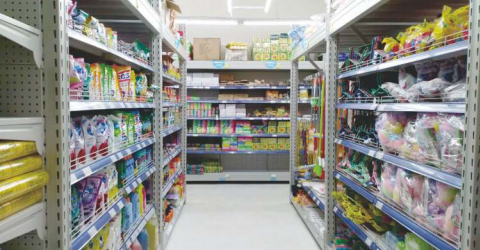
What Are Store Shelves Generally Called?
The most widely used term for shelves in stores is retail shelving.
This umbrella term refers to any shelving system used to display products in supermarkets, convenience shops, pharmacies, hardware stores, and other retail environments.
Other general terms include:
Store Shelving
Merchandising Shelving
Display Shelves
Retail Fixtures
While all of these terms refer to product display systems, different types of shelves serve different purposes—which is why knowing their names is important.
Main Types of Store Shelving
Retail stores commonly use several types of shelving systems, each designed for specific product categories and store layouts.
Gondola Shelving
Gondola shelving is the most common shelving system in retail stores—especially in supermarkets and convenience shops.
Features:
Freestanding structure
Available in single-sided (wall side) and double-sided (aisle)
Adjustable shelves with multiple height options
Strong load capacity
Gondolas are popular because they are flexible, stable, and suitable for nearly every product category.
Wall Shelving
Wall shelving refers to single-sided shelves fixed against store walls.
Ideal for:
Pharmacies
Grocery stores
Beauty shops
Household items
Wall shelves help retailers maximize vertical space and keep aisles uncluttered.
End Cap Shelving
End caps are shelves placed at the ends of gondola shelving units.
Used for:
Promotions
Seasonal displays
High-margin products
Impulse buys
These shelves attract attention and often generate higher sales.
Wire Shelving / Wire Display Racks
Wire shelving uses metal wire structures and is lightweight yet sturdy.
Commonly used for:
Produce
Snacks
Discount and clearance areas
Bread and baked goods
The open design improves airflow and product visibility.
Wooden or Specialty Display Shelves
Some retail environments use wooden or decorative shelving for a higher-end look.
Typical in:
Bookstores
Electronics stores
Fashion boutiques
Gift shops
These shelves focus on aesthetics and brand image rather than heavy load capacity.
Pegboard & Slatwall Shelving Systems
These are vertical panels with hooks, shelves, or brackets.
Great for:
Tools and hardware
Beauty and accessories
Small packaged items
Hanging merchandise
They are highly flexible and easy to reconfigure for different products.
How to Choose the Right Shelving for Your Store
Selecting the right shelving depends on several factors:
• Store Type
Grocery stores require high-load gondola shelves, while boutiques focus more on visual presentation.
• Product Category
Heavy items need strong steel shelves; lightweight accessories may be better on pegboard or slatwall.
• Layout & Space Planning
Narrow aisles benefit from single-sided wall shelving, while wider aisles can use double-sided gondolas.
• Visibility Requirements
Wire shelves provide better airflow and visibility, especially for fresh or fast-moving items.
• Durability
Steel shelving is best for long-term use in high-traffic stores.
Materials Used in Store Shelving
Store shelves are typically made from:
Steel
Most common material
Durable, strong, long-lasting
Used for gondola shelving and wall shelving
Wire Mesh
Lightweight and breathable
Ideal for produce or bakery sections
Wood / MDF
Aesthetic appeal
Best for specialty or premium retail shops
Each material has unique advantages depending on the store's needs.
Why Shelving Terminology Matters
Understanding shelving names helps retailers:
Choose the correct fixtures for their products
Improve customer flow and aisle efficiency
Ensure the right load capacity and durability
Communicate clearly with suppliers or installers
Optimize merchandising for higher sales
Knowing the difference between gondola shelving, wall shelving, end caps, and wire racks ensures a better store layout and a more professional retail setup.
Professional Recommendations
Based on common retail industry practices:
For Grocery Stores
Double-sided gondola shelving in aisles
Single-sided units along walls
End caps for promotions
Wire shelves for produce and baked goods
For Convenience Stores
Narrow-depth gondolas
Wall shelving for snacks and beverages
Pegboard for small accessories
For Pharmacies
High-visibility gondolas
Lightweight wall shelving
Clear labeling and organized layout
Choosing the right shelving helps retailers improve customer browsing, increase sales performance, and maintain a more efficient store operation.
Conclusion
Store shelves are generally called retail shelving, but they come in many different forms—gondola shelving, wall shelving, wire racks, pegboard systems, and more. Understanding these terms helps retailers build better store layouts, choose the right fixtures, and create a more effective shopping environment.
Whether you're opening a new store or upgrading your existing retail space, choosing the right shelving system is one of the most important steps in creating an efficient and profitable store.
-
-
PRODUCTS
-
NEWS
-
FOLLOW US
-


 link:
Spieth Medical
link:
Spieth Medical


Send Message
 if you have questions or suggestions,please leave us a message,we will reply you as soon as we can



ONLINE SERVICE
-

-
 +86 18006010205
 -
 +86 18006010205
 0
0
Browsing History