 [email protected]
 +86 18006010205



-
Spieth, Space solutionsMore Than 18 Years Manufacturing & Exporting
-
 Time:6/24/2026
 -
 Time:6/23/2026
-
 Tel : +86 18006010205
-
 E-mail : [email protected]
-
 Address : Tongan Park, Tongan District, Xiamen, China 361023
What Are the Standard Gondola Shelving Sizes
 Time:12/10/2025
 2078
2078Gondola shelving is one of the most widely used display systems in retail environments, including supermarkets, convenience stores, pharmacies, hardware shops, and specialty stores. Its flexibility and modular design allow retailers to showcase a wide range of products while maintaining a clean and organized look.
One of the most important factors to consider when choosing gondola shelving is size. The correct height, width, and depth directly affect product visibility, customer flow, and overall store performance. This guide explains the standard sizes of gondola shelving and how to choose the best dimensions for your store.
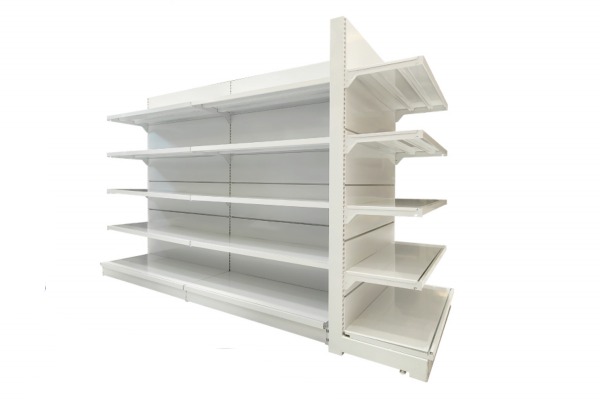
What Are the Standard Gondola Shelving Sizes?
Most gondola shelving falls within these general ranges:
-
Height: 1200–2400 mm (4–8 ft)
-
Width: 600–1200 mm (2–4 ft) per section
-
Depth: 300–600 mm (12–24 in) for shelves and bases
However, exact dimensions vary based on manufacturer, regional standards, and store layout requirements. Below, we break down each measurement in more detail.
Standard Gondola Shelving Height Options
Gondola shelves typically come in three main height categories:
Low Profile Units (1200–1500 mm / 4–5 ft)
-
Ideal for convenience stores and open display areas
-
Improves visibility across aisles
-
Suitable for impulse items and small goods
Medium Height Units (1600–1800 mm / 5.2–6 ft)
-
Most common choice for general retail
-
Supports multiple shelf levels
-
Good balance between visibility and space utilization
Tall Units (2000–2400 mm / 6.5–8 ft)
-
Popular in supermarkets and hardware stores
-
Maximizes vertical display space
-
Often used for high-volume or bulky items
The right height depends on product category, aisle spacing, and customer browsing comfort.
Common Gondola Shelving Width Options
The width refers to the horizontal size of each upright section. Standard gondola widths include:
-
600 mm (2 ft) – Often used in convenience stores
-
900 mm (3 ft) – Most common retail width
-
1000–1200 mm (3.3–4 ft) – Used for larger-format supermarkets
Wider units offer more display space, but they also require careful planning to maintain comfortable aisle width.
Standard Gondola Shelving Depth Options
Shelf and base depths greatly influence product visibility and loading capacity. Typical depths include:
Base Shelf Depth
-
350–600 mm (14–24 in)
-
Larger depths provide stronger support for heavy or bulky items
Upper Shelf Depth
-
250–400 mm (10–16 in)
-
Shallower shelves improve visibility and prevent shadowing
Supermarkets often use deeper bottom shelves for large goods and shallower top shelves for lighter products like snacks or cosmetics.
Regional Differences in Gondola Shelving Sizes
United States
-
Common sizes include 48", 54", 60", 72", and 84" height
-
Depths often range from 12" to 22"
-
Pegboard backing is widely used
Europe & Middle East
-
Heights between 1400–2200 mm are most popular
-
Slatwall or perforated back panels are frequently chosen
-
Retailers prefer 900 mm and 1000 mm width sections
Custom Sizes
Many manufacturers offer customized heights, depths, and widths to fit specific store layouts, aisle spacing, and local standards.
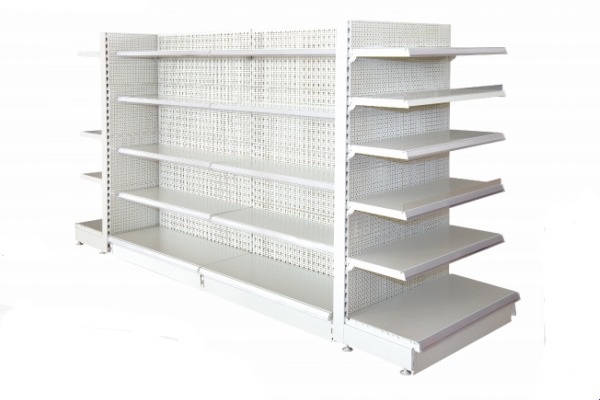
Single-Sided vs. Double-Sided Gondola Shelving Sizes
Single-Sided (Wall Units)
-
Placed against walls
-
Shallower depth
-
Common in pharmacies and boutiques
Double-Sided (Island Units)
-
Stand freely in store aisles
-
Deeper base shelves for stability
-
Ideal for supermarkets and hardware stores
Double-sided units provide display access from both sides, maximizing product exposure.
Load Capacity and Structural Considerations
Size selection must also consider the weight of the products displayed. Key factors include:
-
Upright thickness and strength
-
Bracket type and length
-
Shelf material (steel, wire, wooden)
-
Load-bearing capacity per shelf
For heavy items such as tools, beverages, or bulk goods, deeper shelves and reinforced uprights are recommended.
How to Choose the Right Gondola Shelving Size for Your Store
When selecting shelving, consider the following:
1. Store Layout
-
Ensure proper aisle spacing for customer movement
-
Taller units might block visibility in small shops
2. Product Type
-
Deep shelves for bulk items
-
Shallow shelves for high-turnover packaged goods
3. Customer Shopping Behavior
-
Eye-level placement affects sales
-
Shelf height impacts accessibility
4. Industry Examples
-
Supermarkets: Tall and deep units for high volume
-
Pharmacies: Medium height with shallow shelves for visibility
-
Convenience stores: Low to medium height for compact spaces
-
Hardware stores: Deep shelves for tools and paint products
Conclusion
Choosing the right gondola shelving size is essential for maximizing display efficiency, improving store traffic flow, and ensuring a professional retail environment. While standard dimensions provide a useful starting point, every store layout has its own unique requirements.
If you’re unsure which height, width, or depth fits your business best, feel free to contact us. Our team can provide accurate sizing advice, customized layout solutions, and product recommendations tailored to your store’s needs.
-
-
PRODUCTS
-
NEWS
-
FOLLOW US
-


 link:
Spieth Medical
link:
Spieth Medical


 if you have questions or suggestions,please leave us a message,we will reply you as soon as we can



-

-
 +86 18006010205
 -
 +86 18006010205
 0
0