 [email protected]
 +86 18006010205
-


-
Warning: Undefined array key 2 in /home2/spiethlt/unracking.com/Templete/sps/Include/Function.php on line 372

-
Spieth, Space solutionsMore Than 18 Years Manufacturing & Exporting
-
 Tel : +86 18006010205
-
 E-mail : [email protected]
-
 Address : Tongan Park, Tongan District, Xiamen, China 361023
Sheet Metal Storage Rack: Durable & Adjustable Solutions
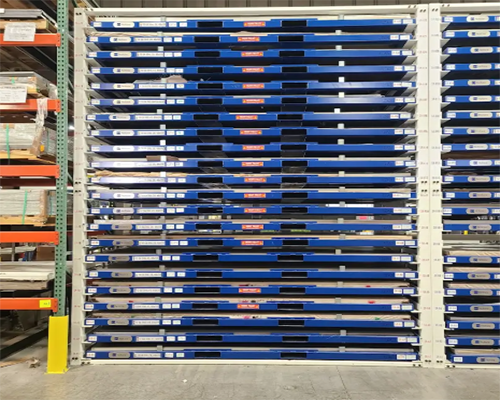

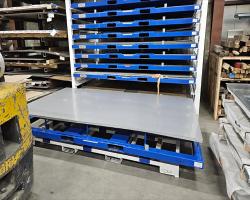
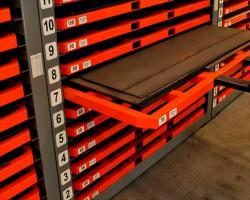

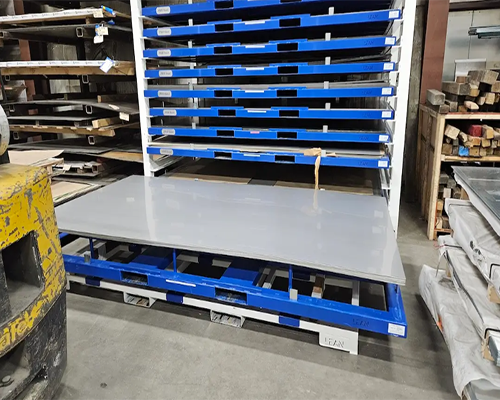
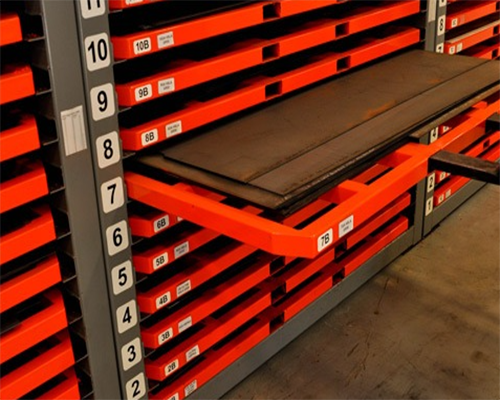
✔ Adjustable Levels: 1–6 layers
✔ Size Range: 1.5–3m length available
✔ Surface Finish: Powder coated / galvanized / stainless steel
SHEET METAL STORAGE RACK
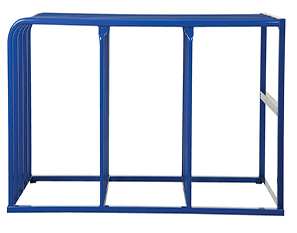
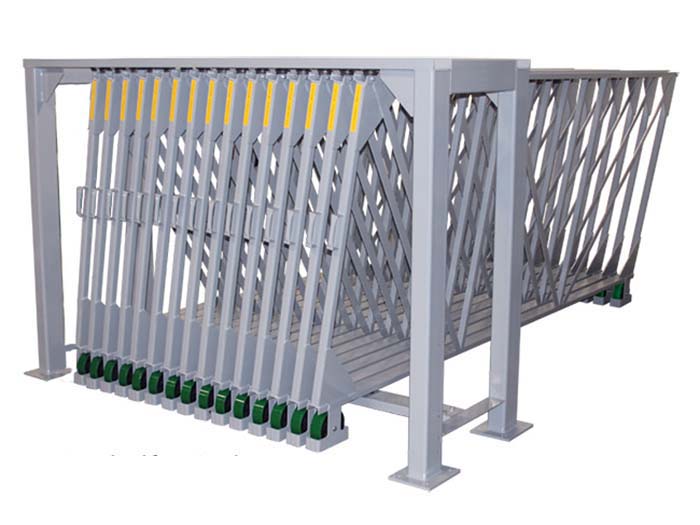
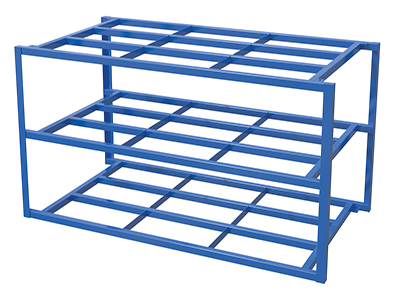
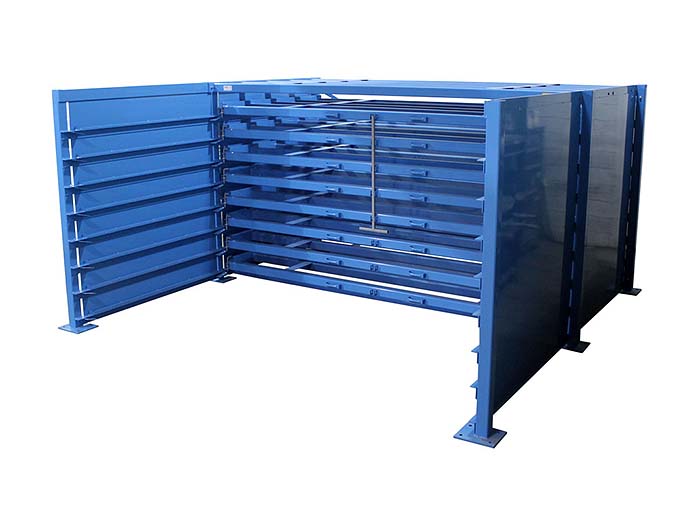
The Sheet Metal Storage Rack is an industrial-grade storage system designed for the safe handling, organization, and vertical or horizontal storage of sheet metal, steel plates, stainless steel sheets, aluminum panels, and other flat materials used in manufacturing and fabrication environments.
Built with a reinforced steel frame structure, the system is engineered to support heavy loads while maintaining structural stability under continuous industrial use. It significantly improves warehouse space utilization and reduces manual handling risks during loading and retrieval operations.
Standard configurations are available in lengths from 1.5m to 3m, widths from 0.5m to 1m, and heights from 2m to 3m. Multi-level structures typically support 1 to 6 adjustable storage levels, making the system suitable for both small workshops and large-scale steel service centers.
Depending on load requirements, each storage level is engineered to support between 200kg and 500kg for standard applications, while heavy-duty sheet steel storage rack configurations can exceed 1000kg per level, making them suitable for thick steel plates and high-density metal sheets.
Shelf spacing is typically adjustable from 150mm to 500mm, allowing operators to configure storage compartments based on material thickness and workflow requirements. This flexibility improves inventory organization and reduces material interference during storage.
The rack structure is manufactured from carbon steel or alloy steel and finished with powder coating or hot-dip galvanizing for corrosion resistance. Stainless steel options are available for high-humidity, outdoor, or chemical-exposed environments.
ENGINEERING APPLICATIONS
Sheet metal storage racks are widely deployed across metal processing and manufacturing industries where efficient handling, protection, and organization of flat materials are required. The system is engineered to support continuous workflow environments where sheet materials must be frequently accessed, moved, and processed.
Metal Fabrication Workshops
In fabrication environments, sheet metal storage racks are used to organize raw steel plates and processed sheets before cutting, welding, or bending operations. The vertical storage structure reduces floor congestion and allows operators to quickly identify and retrieve required materials, improving production efficiency.
Laser Cutting & CNC Processing Plants
For laser cutting facilities, organized sheet storage is critical to maintaining workflow precision. Sheet metal racks allow operators to separate materials by grade, thickness, or job order, reducing handling errors and improving cutting line efficiency.
Steel Service Centers & Warehousing Facilities
In steel distribution centers, high-capacity sheet steel storage racks are used to store large volumes of steel plates and sheet bundles. The system improves inventory control, reduces material damage during storage, and enables fast forklift access for loading and dispatch operations.
Construction Material Suppliers
For construction supply warehouses, sheet metal racks provide structured storage for steel plates, aluminum sheets, and fabricated panels. The system improves space utilization while ensuring materials remain flat, protected, and ready for transport or site delivery.
Engineering Value in Industrial Operations
Across all applications, sheet metal storage racks improve three core operational metrics: storage density, material accessibility, and handling safety. By transitioning from floor stacking to structured racking systems, facilities significantly reduce material damage rates and improve overall warehouse throughput.
ENGINEERING COMPARISON & STORAGE SELECTION
Selecting the correct sheet metal storage system depends on material type, handling method, warehouse layout, and load requirements. The following engineering comparisons help determine the most efficient storage configuration for industrial applications.
Sheet Metal Storage Rack vs Floor Stacking
| Factor | Sheet Metal Rack | Floor Stacking |
| Space Utilization | High (Vertical Storage) | Low (Horizontal Spread) |
| Material Protection | Controlled & Separated | High Risk of Damage |
| Handling Efficiency | Forklift Optimized | Manual / Disorganized |
| Inventory Control | Structured & Traceable | Difficult to Manage |
Sheet Metal Storage Rack vs Cantilever Rack
| Factor | Sheet Metal Rack | Cantilever Rack |
| Flat Sheet Handling | Excellent | Moderate |
| Long Material Storage | Limited | Excellent |
| Material Protection | High (Separated Layers) | Medium |
| Best Use Case | Sheet Metal / Plates | Long Steel / Pipes |
Engineering Selection Logic
If your operation involves frequent handling of flat sheet materials such as steel plates or aluminum sheets, a sheet metal storage rack is the most efficient solution due to its layered separation structure and forklift accessibility.
If your storage system prioritizes long materials such as pipes or structural beams, cantilever racking systems may provide better load distribution and accessibility.
For high-density warehouse environments, combining vertical sheet metal racks with pallet racking systems provides optimal space utilization and workflow efficiency.
Industrial Engineering Summary
Sheet metal storage rack systems are optimized for controlled storage of flat metal materials, offering superior space efficiency, material protection, and handling safety compared to conventional floor stacking methods.
TECHNICAL FAQ & ENGINEERING DETAILS
The following technical information provides engineering-level clarification for structural performance, load capacity, customization options, and operational safety of sheet metal storage rack systems in industrial environments.
What is the load capacity of a sheet metal storage rack?
Standard configurations support 200kg to 500kg per storage level, while reinforced heavy-duty sheet steel storage racks can exceed 1000kg per level depending on frame structure, steel thickness, and load distribution design.
Can sheet metal storage racks be customized?
Yes. Sheet metal racks can be fully customized in terms of dimensions, load capacity, number of storage levels, shelf spacing, and surface treatment. Custom engineering is typically required for oversized sheets or specialized production workflows.
Is forklift access supported?
Most industrial sheet metal storage rack systems are designed for forklift loading and unloading. The structural layout allows direct access to storage levels, improving material handling efficiency and reducing manual labor risks.
What materials are used in the structure?
The system is manufactured using high-strength carbon steel or alloy steel. Surface finishing options include powder coating for indoor environments, hot-dip galvanizing for high-humidity conditions, and stainless steel for corrosion-critical applications.
What is the difference between light-duty and heavy-duty sheet metal racks?
Light-duty racks are typically used for thinner sheets and lower frequency handling, supporting up to 500kg per level. Heavy-duty systems are reinforced for industrial steel plate storage, supporting loads exceeding 1000kg per level with enhanced structural stability.
How does vertical sheet metal storage improve warehouse efficiency?
Vertical storage reduces floor footprint while increasing storage density. It improves accessibility, reduces material search time, and minimizes damage caused by stacking pressure or improper handling.
Engineering Reliability Statement
20Sheet metal storage rack systems are engineered for continuous industrial operation, offering stable structural performance, predictable load behavior, and flexible configuration options for modern manufacturing and warehouse environments.
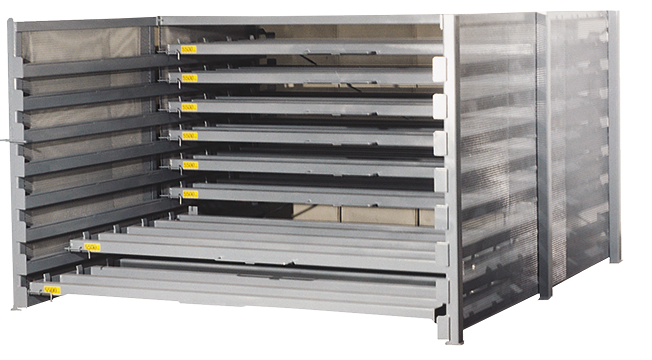
For customized sheet metal storage rack solutions, configurations can be tailored according to material type, warehouse layout, and handling requirements to achieve optimal storage efficiency.
-
Do you offer samples available?Yes, samples are available. Sample lead time 3-5days generally.
-
Do you offer custom design?Custom design is surely available. we have very rich experience in customizing shelves.
-
What is the term of payment?Regularly, 30percentTT in advance,70percent against the copy of B/L.
-
What is your delivery time?Usually: 1*20' GP container, around 15 days; 1*40'GP container, around 20days; For some urgent orders,will adjust as your requirement accordingly.
-
Are you manufacturer or trading company?We are manufacturer. Our factory has been specializing in warehouse storage equipments for years. We warmly welcome you to visit our factory at anytime.

-
-
PRODUCTS
-
NEWS
-
FOLLOW US
-


 link:
Spieth Medical
link:
Spieth Medical


 if you have questions or suggestions,please leave us a message,we will reply you as soon as we can



-

-
 +86 18006010205
 -
 +86 18006010205
 0
0